
Wednesday, 22nd July 2026
If you’re reading this over a brew before heading out to the site, or perhaps while catching up on the paperwork after a long day on the tools, you might be thinking: "Surely the taxman has finished with us for a bit?"
We’re now a few months into the new tax year, and the dust should have settled on the massive HMRC Construction Industry Scheme (CIS) changes that kicked in on April 6th, 2024, and the subsequent "tightening of the screws" we saw this past April 2026. But here at SBS Essex, we’re noticing that a lot of contractors are still playing a very dangerous game of "it won't happen to me."
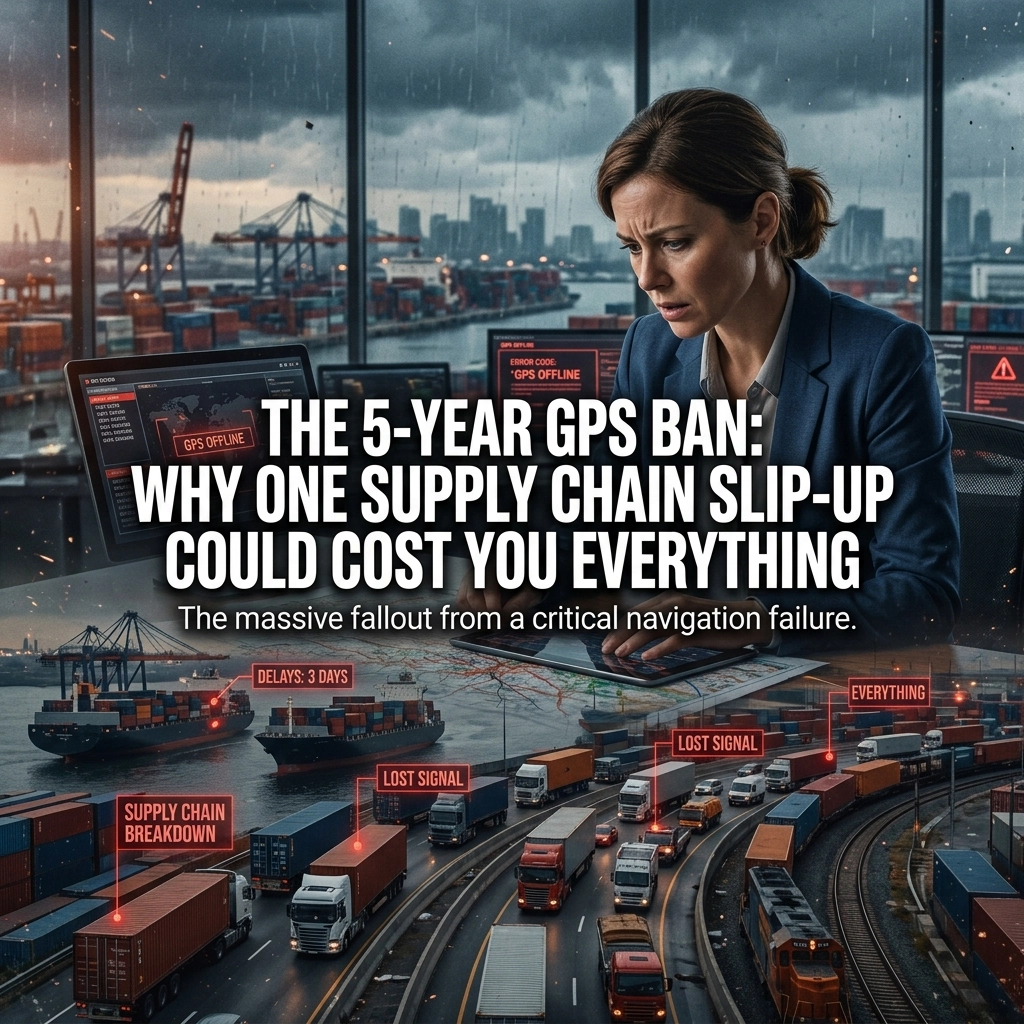
The reality? The goalposts haven't just moved; the entire stadium has been rebuilt, and the rules of the game are harsher than ever. We aren't just talking about a slap on the wrist or a small fine anymore. We’re talking about the 5-Year GPS Ban.
If you rely on Gross Payment Status (GPS) to keep your cash flow moving and your tenders competitive, you need to listen up. One slip-up in your supply chain: even one you didn't technically "cause": could now cost you your business for the next half-decade.
The Shift from 1 Year to 5 Years: Why the Stakes Just Skyrocketed
For years, if a business fell foul of HMRC’s rules and had their Gross Payment Status cancelled, they’d usually have to wait 12 months before they could reapply. It was a painful year, sure. Having 20% or 30% of your income withheld at source puts a massive dent in your working capital, but most established firms could find a way to pivot, tighten their belts, and survive until the year was up.
As of the changes that solidified in April 2026, that 1-year "sin bin" has been extended to five years.
Let that sink in for a second. If HMRC pulls your GPS today, you won’t be getting it back until 2031.
For the vast majority of medium-to-large construction firms in Essex and across the UK, being paid net of CIS deductions for five years is a death sentence. It’s not just about the money being "gone" (though the cash flow lag is brutal); it’s about your ability to win work. Most major developers and main contractors won't even look at a sub-contractor who doesn't have Gross Payment Status. It signals a lack of compliance and a potential risk to their own supply chain.

The "Knew or Should Have Known" Test: You Are Your Subbie’s Keeper
This is where things get really "pulse-pounding." HMRC has introduced a much more aggressive "Knew or Should Have Known" test regarding supply chain fraud.
In the past, if one of your sub-contractors was doing something dodgy: perhaps failing to pay over their VAT or engaging in complex labour fraud: you could often claim you were an innocent party. As long as you’d done your basic CIS verification, you were usually in the clear.
Not anymore.
Under the new rules, HMRC expects you to conduct deep due diligence on your entire supply chain. If they find fraud three levels down your chain, they will ask: "Should you have known this was happening?"
If they decide that the price you were paying was "too good to be true," or that you didn't ask enough questions about where the labour was coming from, they can hold you liable. And the punishment? You guessed it: immediate cancellation of your GPS and a 5-year ban.
Personal Liability: It’s Getting Personal
We’ve always told our clients at SBS Essex that the "limited" in "Limited Company" offers a degree of protection. However, HMRC is increasingly piercing that veil.
The latest changes have clarified that if a company’s GPS is cancelled due to fraudulent activity or gross negligence, the directors themselves can be flagged. This means you can’t just fold your current company and start "New Build Ltd" the next day to get around the ban. The 5-year "black mark" can follow the individuals responsible.
This is a massive shift in how the construction industry needs to think about compliance. It’s no longer a "back-office" problem for the bookkeeper to handle once a month; it’s a frontline risk management issue for every director.

The Supply Chain Ripple Effect
The construction industry in the UK is built on layers. You have the client, the main contractor, the sub-contractors, and the sub-sub-contractors. Each layer relies on the one below it being "clean."
Because of the 5-year ban and the new liability rules, we are seeing a "flight to quality." Big contractors are no longer just looking for the cheapest quote; they are looking for the sub-contractor with the most robust financial systems.
If you can’t prove that you have rigorous CIS processes in place, you are a liability to your clients. They are terrified that your mistakes will trigger an HMRC audit on them. By staying on top of these changes, you aren’t just avoiding fines: you’re actually making your business more "tender-ready" and attractive to high-end clients.
Don't Forget the "Compliance" Basics
While the 5-year ban for fraud is the headline-grabber, don't forget that HMRC is also looking at your own compliance. To keep your GPS, you must:
- File your CIS returns on time, every time. Even a few late returns can trigger a review of your status.
- Pay your own taxes (VAT, PAYE, Corp Tax) on time. HMRC sees your GPS as a privilege, not a right. If you owe them money elsewhere, they will take the privilege away.
- Ensure all your sub-contractors are correctly verified.
- Watch the "Nil Returns." As we've mentioned before, HMRC is cracking down on missing Nil Returns. If you aren't using subbies in a particular month, you must tell them, or they’ll assume you’re hiding something.

How SBS Essex Keeps Your Finger on the Pulse
We know this sounds like a lot of "doom and gloom," but it doesn't have to be. The builders and contractors who thrive over the next few years will be the ones who treat their bookkeeping and compliance as a competitive advantage.
At SBS Essex Ltd, we’ve spent the last year helping our clients overhaul their supply chain checks. We don’t just "do the books"; we act as your compliance watchdog.
Here’s how we help our clients stay safe from the 5-year ban:
- Supply Chain Audits: We help you look at who you’re paying and ensure their paperwork is as solid as your own.
- Automated CIS Verification: We ensure no one gets paid until their status is confirmed and documented.
- Real-time Liability Tracking: We keep you informed of your tax liabilities well in advance so there are never any "late payment" shocks that could threaten your GPS.
- Direct Support: If HMRC does come knocking with questions about a sub-contractor, you have us in your corner with a full paper trail ready to go.
Final Thoughts: A 5-Year Mistake is Too Long
In the construction world, we’re used to managing risks: health and safety, weather delays, material price hikes. But the "compliance risk" is now officially the biggest threat to your long-term survival.
A 1-year ban was a hurdle. A 5-year ban is a brick wall.
If you’re worried that your current systems aren't up to the "2026 standard," or if the thought of the "Knew or Should Have Known" test makes you a bit nervous about your current supply chain, let's have a chat. It’s much cheaper to fix a process today than it is to lose your Gross Payment Status tomorrow.
Drop us a line or give us a call at SBS Essex. We’re here to make sure you’re still building in 2031 and beyond.

Disclaimer: This blog post is for informational purposes only and does not constitute legal or professional financial advice. Always consult with a qualified professional regarding your specific business circumstances.